

Preparing for their post-playing careers is paramount for professional sportspeople whose priorities have for so long been centered on their athletic performance – while the risk of serious injury and changes in their personal circumstance has the potential to cut careers short prematurely, even for athletes in their prime. Studies also highlight the impacts on the physical and mental wellbeing of athletes transitioning into life after sport, whereas factors such as “financial and career planning” are playing pivotal roles within their “social and professional development”.
In the digital age of athlete engagement, sports bodies are introducing educational programs into their performance pathways, while those undergoing data and digital transformations are developing toolkits to help athletes map their future career prospects. By way of example, the International Olympic Committee (IOC) offers online resources, mentorship, and career workshops via its Athlete365 Career+ platform. Organized by the IOC Athletes’ Commission, the program is among multiple resources available via the IOC’s Athlete365 portal, which supports athletes globally in subjects ranging from personal wellbeing to financial planning.
Whereas the IOC is proficient with managing, and centralizing, thousands of athlete data points, athlete-data governance is still in its infancy across multiple leagues and sports bodies. In the US, every national governing body (NGB) owns a digital footprint, while 83.8 percent of the federations preparing for LA28 operate an athlete registration portal within their ecosystem. Meanwhile, in burgeoning sports markets outside of the US, our research shows a smaller percentage of NGBs which leverage athlete portals within their digital infrastructure.
For example, the majority of Olympic sports bodies in the Gulf region do not integrate an athlete-member registration portal into their digital ecosystems – highlighting an opportunity to support the athlete pathway and growing talent pools as part of a new wave of digital and data infrastructure. To support this gap in the market, several International Federations (IF) are beginning to migrate their athlete data into centralized ecosystems, helping to build closer and more tailored relationships with their athletes and the flexibility required to scale their athlete-focused resources in their sport’s regional markets.

Education resources are helping properties establish stronger stakeholder ecosystems
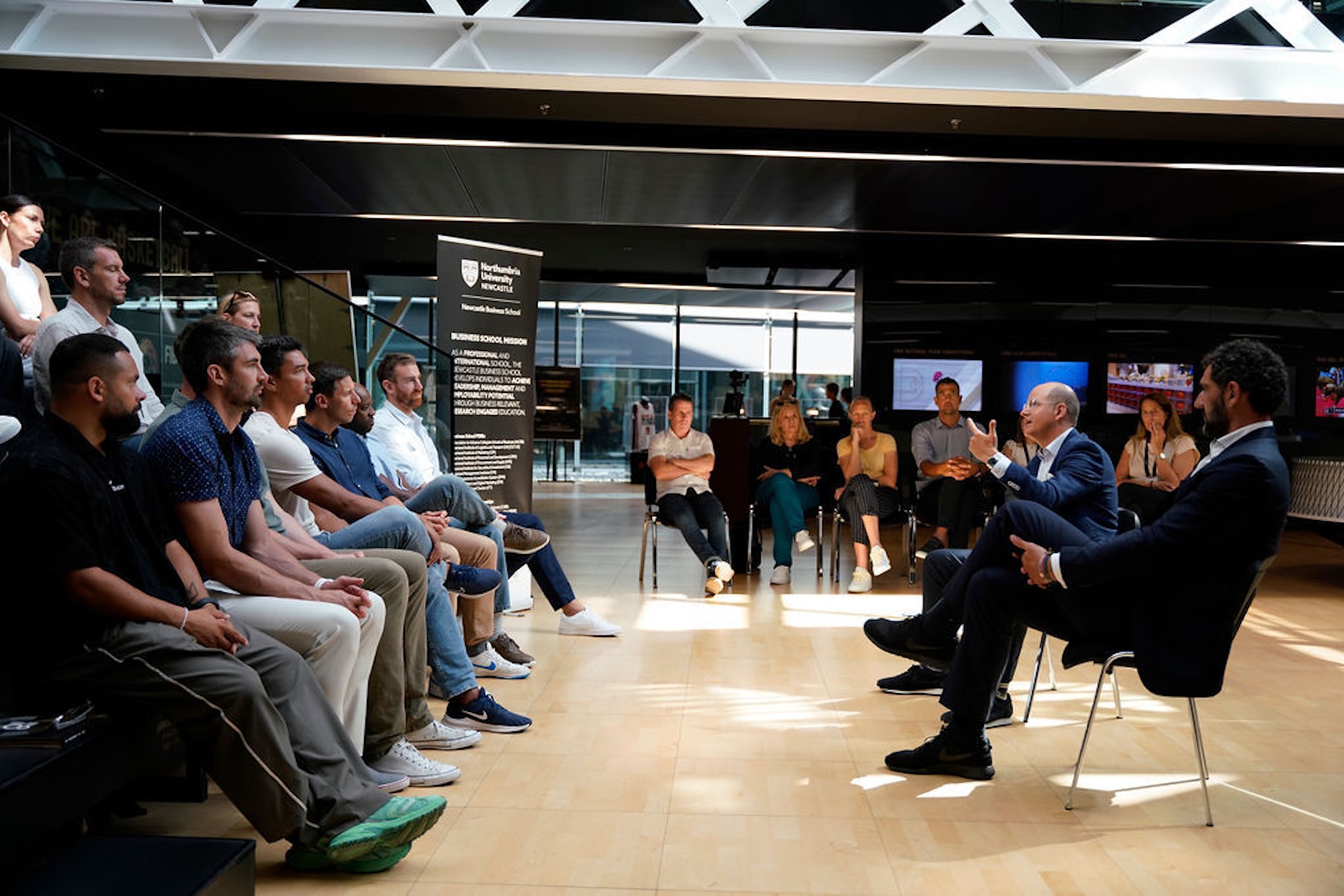
As the sports sector invests in its technological infrastructure and innovation, organizations are seeing value in the role of education to help transition athletes into governance and coaching roles and grow their stakeholder ecosystems. For example, the International Basketball Federation (FIBA) runs the TIME-OUT program, which offers FIBA and FIBA 3×3 athletes the opportunity to explore further and higher education, in partnership with Northumbria University in the UK, and is designed to run alongside their playing commitments.
Elisabeth Cebrian Scheurer, Head of Projects and Programs, and Women in Basketball at FIBA Europe, says that one of the objectives of the program is to “identify elite players who want to work in the business of sport and provide them with the education they require”. Adding: “In many cases our goal is to retain players in our ecosystem – whether you are an elite male or female player – and help them to expand their scope and understand the business and governance of sport. We want them to go back to work with their federations and help the governance in their home countries. That’s why we’ve opened the door to the federations, to help nurture a diversity of thought and culture throughout the FIBA ecosystem.”
N3XT Sports works with its clients on the design and implementation of digital infrastructure and strategies to support the development of their own educational programs for athletes. For example, in 2022, the Professional Footballers’ Association (PFA) appointed N3XT Sports to design and implement its data and digital transformation strategic plan, including the roll out of the digital-only PFA Member Portal, designed to enhance the experience of its 5,000 active player-members and more than 50,000 retired footballers.
In order to maximize productivity and member engagement, through its assessment, N3XT Sports also identified the opportunity to develop the PFA Employee Portal to enhance the employee experience (EX) and tailor resources to specific staff workflows and preferences. In doing so, the PFA Employee Portal also integrates a wide range of applications, including the PFA Players’ Directory, the PFA Business School and Youth Academy services, and presents the PFA with new revenue streams within its member-centric ecosystem.
“Every decision we make inside the PFA, no matter the department or personnel, is made with our members in mind,” explains Patrick Coyle, the PFA’s COO. “Whether they are among the nearly 5,000 current players in our membership, or one of the 50,000-plus retired professionals we continue to serve, our success as an organization is measured, not only by the number of members we support, but also how the way we operate benefits the people we represent.
“For example, since adopting our PFA Employee Portal, the PFA’s Education Department is processing member applications at least 50 percent faster. Whereas the PFA Member Portal enables our members to manage and customize their own data via a centralized system, the Employee Portal consolidates the PFA’s existing resources into one easy-to-use interface [acting] as a universal hub for our entire workforce.”

Digital transformation is supporting new opportunities in athlete-led innovation
N3XT Sports helps develop a culture of innovation inside sports properties and implement data and digital transformation strategies designed to optimize its operational structures and processes. There are many ways digital transformation can serve sports properties, while helping to upskill their stakeholder ecosystems is imperative for businesses to meet the demands of modern fandom, athlete development, and sustain business growth.
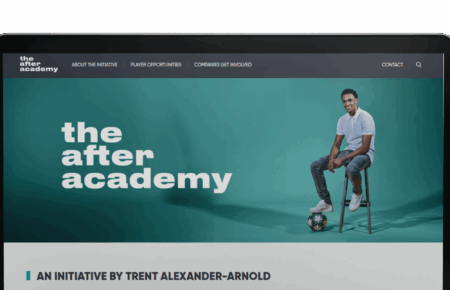
In supporting the PFA in its digital transformation, the footballers’ union is not only a resource but has become a destination for its members, helping to drive tangible changes throughout the industry. For example, the development of the PFA Players’ Directory presented the foundations for The After Academy jobs platform, founded by professional footballer Trent Alexander-Arnold. In collaboration with the PFA, the platform helps academy footballers to find their first step onto the career ladder and is a prime example of how the PFA’s ongoing transformation welcomes its members to explore innovations within the athlete ecosystem.
N3XT Sports provides a wealth of technical expertise for optimizing and expanding business operations. Meanwhile, investment in the high number of ex-athletes which make up our workforce provides our clients with a project team which not only understands the role of digital and data strategy deeply, but also advocates a company culture driven by former athletes who offer unique insights for transformation and its role within high-performance environments.
“The diversity of our team and their deep passion and understanding of sports allows us to stay relevant in diverse settings,” explains Hisham Shehabi, N3XT Sports COO and MENA lead. “Thanks to our team, which is made up of 70 percent elite ex-athletes, we have an additional edge when serving our clients across countries and regions.
“Our company is a place people want to build their careers because we are working on the next generation of strategic initiatives and projects for sports organizations across Europe, and the Middle East – arguably the fastest growing sports market in the world. Like in sports, our company culture is about playing as a team, winning as a team, and continuously improving as a team.”
N3XT Sports develops and implements data and digital transformation strategies within sports properties at federation level, competition level, and club level. To find out more about how N3XT Sports can serve your organization, fill out the form below, and we’ll be in touch. Our goal is to drive the digitalization of the sports industry and our clients.