


The traditional brand partnership in sports is shifting in the age of digital fandom. As organizations seek to attract new audiences and retain loyal fans within their ecosystems, aligning with a viable sponsor is no longer as simple as providing them with paid exposure on the chassis of a Formula 1 racing car or being positioned pitch-side during a weekend Premier League fixture. Digitally mature and data-native properties are finding unique ways to align their partners with segmented audiences and captivating fans during “cultural moments”.
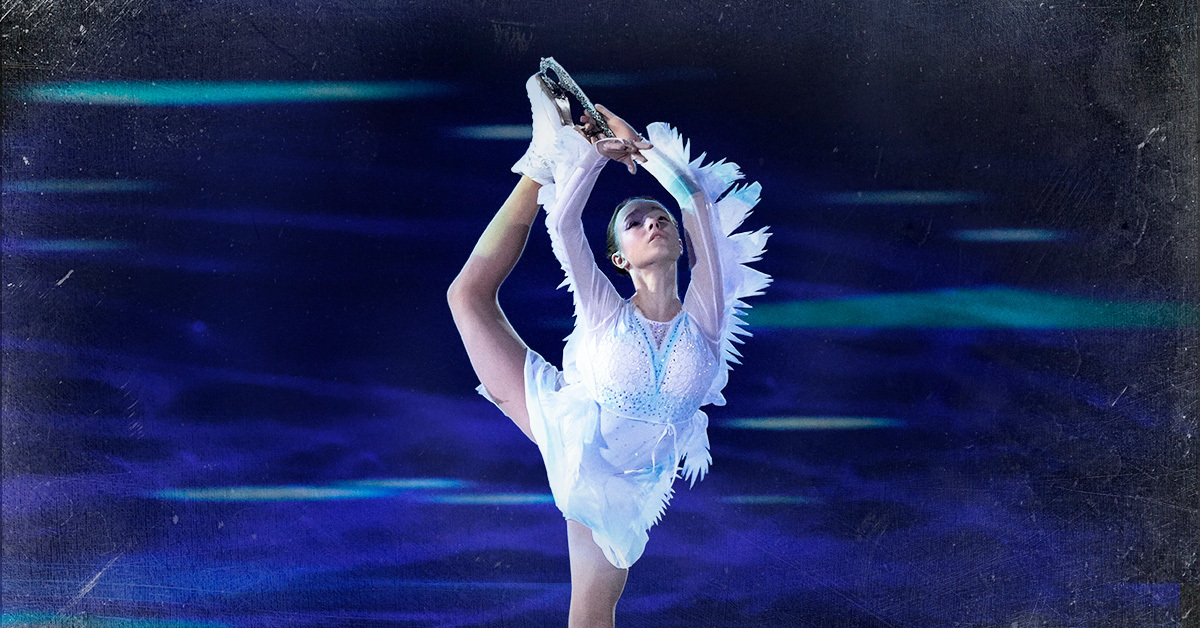
By way of example, at the Milano Cortina 2026 Winter Olympics, the International Skating Union (ISU) collaborated with Labubu, the global collectible character created by Pop Mart, at the federation’s “Home of Skating” activation in Milan. Rather than carrying out a simple logo-placement exercise, the partnership became a digitally amplified, culturally resonant activation that aligned Labubu’s brand with the “artistic spirit and expression” of skating.
The importance of digital engagement in 2026 cannot be overstated. Across the Milano-Cortina Games, combined averaged viewership in the United States reached 23.5 million, making this the most-watched Winter Olympics in the US since 2014 – up 96 percent from Beijing 2022 – including extensive consumption across linear broadcast and digital platforms.
This also translated at federation level, with the ISU’s owned social channels delivering significant gains, surpassing one million followers via its Facebook and Instagram channels and generating more than 16.9 million engagements, 408 million video views, and 632 million impressions throughout the Games. Meanwhile, fan content generated 3.5 million web views and 1.7 million mobile app views. This illustrates the potential for shareable digital content to dramatically extend audience reach within a unique partnership activation.
“These results represent more than just numbers – they reflect attention, relevance and sustained growth,” explains Colin Smith, the ISU’s Director General. “Skating content is now connecting with global audiences at an unprecedented level.”
Key Lessons from the Labubu-ISU Partnership
Whereas traditional sponsorship often relies on logos and ad-space, the ISU’s Labubu activation highlights the power of intentional narrative alignment within brand partnerships. By integrating a culturally resonant product with the sport’s inherent artistic and emotional story, the ISU created an activation that enhanced both the fan experience and the discipline’s commercial appeal. According to Accio, the global collective toy market is experiencing significant growth – driven by the “kidult” culture and consumer demand for IP-based collectables – exceeding US$21.5 billion in China alone.
While the activation’s physical presence was simple, its digital amplification ensured global engagement. Digital channels now define the lifespan and impact of brand moments, enabling rights holders to deliver measurable return on investment (ROI) for their sponsors for the at-home audience – far beyond in-person attendance. As a result, Labubu’s cultural cachet expanded the ISU’s engagement to non-traditional fans – from collectibles communities to younger audiences – just as Labubu aligned itself with one of the most-watched events in 2026.
The Connective Tissue: Data and Digital Maturity
The partnership’s success underscores a wider opportunity: modern sponsorships require robust digital and data infrastructure. While private entities such as elite European football clubs have invested heavily in digital diversity and centralized data governance, many governing bodies lag behind.
Research from N3XT Sports shows that 91 percent of Olympic and Paralympic IFs prioritize high-performance development, alongside 81.8 percent for fan engagement and digital transformation; yet only 45 percent view data governance as a strategic priority. This misalignment limits the ability to offer personalized fan experiences, integrated sponsorship campaigns, and measurable engagement metrics. Without a unified digital ecosystem, sponsorship potential remains fragmented.
“Organizations that master data governance and multi-stakeholder collaboration will define how sport is run, watched, and monetized in the decade ahead – while 2026 will be remembered as the year sport becomes truly data-native,” explains Mounir Zok, N3XT Sports CEO.
“Success depends on how well these entities share data, coordinate strategy, and align incentives. Whereby centralized data systems improve operational efficiency, signalling a definitive shift towards ecosystem-led frameworks, through 2026, the most advanced sports bodies will rely on hybrid data architectures designed for scaling real-time decision-making and multi-stakeholder governance.”
Broader Implications for the Industry
Digital transformation is no longer optional. Rights holders must treat data as the connective tissue linking fan engagement, operational efficiency, and commercial growth. This is increasingly critical as sponsors demand measurable metrics – from video views and engagement rates to platform growth and interactive behaviors.
The ISU’s Labubu partnership demonstrates that the most successful partnerships resonate beyond the sport and the arena. Activations must be story-driven, digitally amplified, and aligned with cultural trends to resonate with modern audiences. This involves:
- Sponsor IP alignment by partnering with characters, cultural icons, or creative IP that resonate with both fans and brand narratives.
- Designing digital-first experiences which ensure activations are sharable and measurable across social platforms, mobile apps, and streaming channels.
- Centralizing data infrastructure used to consolidate fan touchpoints across merchandise, ticketing, and engagement, providing sponsors with actionable insights.
- Measuring engagement metrics which track platform growth, interactions, and content performance, not only impressions.
- Extending activation lifecycles beyond major events, creating “always-on” campaigns that persist after the curtain falls, sustaining relevance year-round.
Sports organizations that embrace this approach will not only deliver exceptional sponsor experiences but also unlock entirely new audiences, revenue streams, and long-term sustainability. The future of sponsorship belongs to those who see data and digital transformation as a seed for growth, with several organizations already reaping the benefits.
N3XT Sports supports its clients at every stage of their digital transformation and strategy development. To find out more about how N3XT Sports can serve your organization and develop its very own tailor-made commercial strategy, fill out the form below, and we’ll be in touch. We look forward to hearing more about your journey.